Top Cryptocurrency Picks for Investors
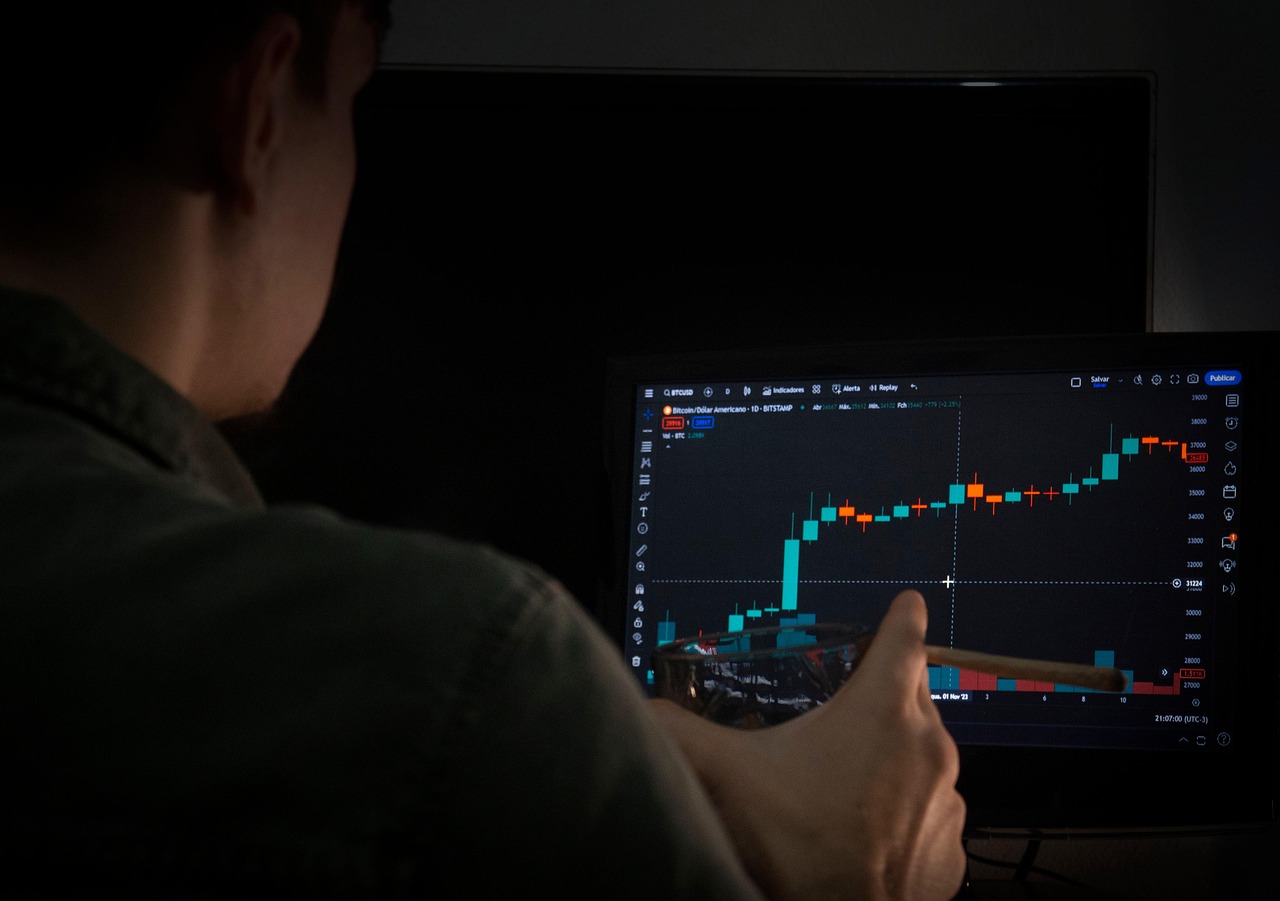
Are you trying to choose the best cryptocurrencies to consider for your investment portfolio heading into 2025?

This image is property of pixabay.com.
Top Cryptocurrency Picks for Investors
This guide gives you a structured, friendly, and practical overview of the top cryptocurrency picks for investors as you plan for 2025. You’ll find reasons for each pick, risks to watch, and tactical advice on how to research, allocate, store, and manage crypto holdings. The intent is to help you make clearer, more informed decisions — not to tell you exactly what to buy.
How this list was chosen
You’ll want to know the criteria behind these selections. The list is based on several factors you should consider: market liquidity, adoption and network effects, developer activity, real-world use cases, scalability and upgrades planned for 2025, regulatory clarity, and relative risk profile. Each pick tries to balance potential upside with realistic risks you should manage.
Risk and timing considerations
Cryptocurrencies are volatile and speculative. You should think about your time horizon, risk tolerance, and whether you can emotionally handle large drawdowns. Use position sizing and diversification to manage risk, and remember that market conditions can change quickly in the coming years.
Top 20 Cryptocurrencies for 2025 — summary table
The table below gives you a quick at-a-glance comparison of the 20 cryptocurrencies covered in this guide: name, ticker, primary use case, and category.
| # | Name | Ticker | Primary Use Case | Category |
|---|---|---|---|---|
| 1 | Bitcoin | BTC | Digital store of value, digital gold | Layer 1 / Store of Value |
| 2 | Ethereum | ETH | Programmable settlement layer, smart contracts | Layer 1 / Smart Contracts |
| 3 | Binance Coin | BNB | Exchange token, chain utility (BNB Chain) | Exchange Token / Layer 1 |
| 4 | XRP | XRP | Cross-border payments and settlement | Payments / Banking Rail |
| 5 | Cardano | ADA | Energy-efficient smart contract platform | Layer 1 / Smart Contracts |
| 6 | Solana | SOL | High-performance smart contract platform | Layer 1 / High Throughput |
| 7 | Polkadot | DOT | Interoperability and parachains | Layer 1 / Interoperability |
| 8 | Avalanche | AVAX | Highly parallelizable smart contracts and subnets | Layer 1 / Scalability |
| 9 | Chainlink | LINK | Decentralized oracles for real-world data | Oracle / Middleware |
| 10 | Polygon | MATIC | Ethereum scaling and sidechains | Layer 2 / Scaling |
| 11 | Dogecoin | DOGE | Consumer-facing, memecoin with payments utility | Payments / Memecoin |
| 12 | Litecoin | LTC | Payments, faster Bitcoin-like transactions | Payments / Bitcoin Fork |
| 13 | Uniswap | UNI | Decentralized exchange and liquidity protocol | DeFi / DEX |
| 14 | Cosmos | ATOM | Interoperability, modular blockchains (IBC) | Layer 1 / Interoperability |
| 15 | Stellar | XLM | Cross-border payments, low-fee transfers | Payments / Remittances |
| 16 | Arbitrum | ARB | Layer 2 optimistic rollup for Ethereum | Layer 2 / Scaling |
| 17 | Optimism | OP | Layer 2 optimistic rollup for Ethereum | Layer 2 / Scaling |
| 18 | Filecoin | FIL | Decentralized storage marketplace | Web3 Infrastructure |
| 19 | Algorand | ALGO | Low-latency, scalable Layer 1 with fixed fees | Layer 1 / Payments & DeFi |
| 20 | USD Coin | USDC | Dollar-pegged stablecoin for liquidity and settlements | Stablecoin / Cash Equivalent |
Each of the assets above serves a distinct role in a diversified crypto portfolio. Below you’ll find deeper profiles and what to watch for in 2025.
This image is property of pixabay.com.
Detailed profiles and what to watch
1. Bitcoin (BTC)
Bitcoin remains the dominant digital store of value. If you’re seeking the closest crypto analogue to a scarce asset, BTC leads due to its fixed supply, widespread adoption, and deepest liquidity.
Why you might consider it: BTC is often used as a core allocation for long-term crypto exposure and as a hedge against certain macro risks. Many institutions view it as digital gold.
Risks and what to watch: Regulatory scrutiny, ETFs and custody developments, macro sentiment (interest rates, inflation), and mining economics. Keep an eye on Bitcoin ETF flows and on-chain metrics like active addresses and realized cap.
Suggested role in portfolio: Core holding for conservative to moderate crypto allocations.
2. Ethereum (ETH)
Ethereum is the programmable settlement layer powering most decentralized applications (dApps). Its transition to proof-of-stake and ongoing scaling roadmap aim to address energy and throughput concerns.
Why you might consider it: ETH has massive developer activity, broad DeFi and NFT ecosystems, and a clear role as the settlement currency for many protocols.
Risks and what to watch: Gas fees, competition from other smart contract platforms, and the success of rollups and sharding upgrades. Watch L2 adoption, ETH staking flows, and upgrades that affect issuance.
Suggested role in portfolio: Core allocation for exposure to smart contract economies.
3. Binance Coin (BNB)
BNB powers the Binance ecosystem and BNB Chain. It offers utility across trading fee discounts, payments, and on-chain activities.
Why you might consider it: High liquidity, real-world exchange utility, and the broad user base of Binance. BNB Chain remains popular for cheaper transactions and DeFi activity.
Risks and what to watch: Centralization concerns, regulatory pressure on Binance, and potential changes in token economics. Monitor Binance’s compliance moves and on-chain metrics for BNB Chain activity.
Suggested role in portfolio: Tactical allocation if you use Binance services or want exposure to a high-utility exchange token.
4. XRP (XRP)
XRP focuses on cross-border settlement between financial institutions. Regulatory developments have significantly influenced its price and adoption.
Why you might consider it: If banks and payment providers increase use of blockchain rails, XRP’s fast settlement times and low fees could be attractive.
Risks and what to watch: Legal/regulatory outcomes (especially in the U.S.), adoption by financial institutions, and competition from other payment systems and stablecoins.
Suggested role in portfolio: Speculative allocation tied to adoption and regulatory clarity.
5. Cardano (ADA)
Cardano emphasizes formal methods, peer-reviewed development, and energy efficiency. It aims to serve as a secure smart contract platform.
Why you might consider it: For investors who prioritize research-driven development and potential use in governance and identity use cases.
Risks and what to watch: Pace of dApp adoption, tooling and developer ecosystem growth, and real-world deployments. Watch for smart contract adoption metrics and ecosystem partnerships.
Suggested role in portfolio: Long-term speculative allocation if you believe in the research-first approach.
6. Solana (SOL)
Solana offers very high throughput and low fees, making it attractive for high-frequency dApps and NFTs. Performance has attracted significant developer activity.
Why you might consider it: If you value speed and low transaction costs, Solana provides a compelling environment for certain applications.
Risks and what to watch: Network outages in the past have raised resilience questions. Watch for stability improvements, ecosystem growth, and how Solana competes for developer attention relative to Ethereum L2s.
Suggested role in portfolio: Tactical allocation for high-growth, higher-risk exposure.
7. Polkadot (DOT)
Polkadot focuses on interoperability through parachains and a relay chain, enabling specialized blockchains to work together.
Why you might consider it: If you expect a multichain future where application-specific chains (parachains) are valuable, Polkadot’s architecture could be significant.
Risks and what to watch: Parachain auction outcomes, developer activity, and whether interoperability gains translate to real network effects. Monitor cross-chain projects and integrations.
Suggested role in portfolio: Medium-term speculative allocation aligned with interoperability bets.
8. Avalanche (AVAX)
Avalanche is designed for parallel processing of subnets and high throughput, with an emphasis on custom blockchain deployments.
Why you might consider it: Use cases that need performance and highly-customizable subnet infrastructures could benefit from Avalanche’s design.
Risks and what to watch: Competitive pressure from other Layer 1s and L2s, and user adoption for subnets. Track DeFi and NFT volumes on Avalanche and enterprise use-cases.
Suggested role in portfolio: Growth allocation with moderate risk.
9. Chainlink (LINK)
Chainlink provides decentralized oracles, which bring off-chain data into smart contracts. Many protocols rely on Chainlink for price feeds and external data.
Why you might consider it: Oracles are critical infrastructure for DeFi, and Chainlink has strong market share and partnerships.
Risks and what to watch: Security and reliability of oracles, competition, and on-chain usage metrics. Watch new integrations and adoption in real-world data services.
Suggested role in portfolio: Infrastructure allocation for lower correlation to pure Layer 1 price moves.
10. Polygon (MATIC)
Polygon offers layer-2 scaling and sidechain solutions for Ethereum, reducing fees and increasing throughput for dApps.
Why you might consider it: If you want Ethereum exposure with lower transaction cost risk, MATIC is a play on scaling adoption.
Risks and what to watch: Competition from other L2s and rollups, and how Ethereum’s own scaling (sharding, rollups) affects sidechains. Monitor transaction volume and developer migration.
Suggested role in portfolio: Tactical allocation focused on Ethereum-scaling plays.
11. Dogecoin (DOGE)
Dogecoin started as a meme but has achieved broad public recognition and merchant-level usage in some contexts. It benefits from strong community support.
Why you might consider it: For exposure to social-driven upside and potential payment/consumer adoption. It’s also highly liquid.
Risks and what to watch: No scarcity mechanisms and limited technical roadmap; price largely driven by sentiment and social media. Be prepared for volatility.
Suggested role in portfolio: Small, speculative allocation for high-risk tolerance investors.
12. Litecoin (LTC)
Litecoin offers faster block times than Bitcoin and has historically been seen as a payments-focused alternative.
Why you might consider it: As a long-standing project with widespread support, LTC can serve as a complement to BTC for payments-focused experiments.
Risks and what to watch: Limited unique value relative to Bitcoin and other Layer 1s; adoption depends on merchant integration and developer innovation.
Suggested role in portfolio: Small allocation for legacy crypto exposure.
13. Uniswap (UNI)
Uniswap is a leading decentralized exchange (DEX) and a core component of on-chain liquidity infrastructure.
Why you might consider it: You gain exposure to AMM trading volume and innovation in DeFi. UNI is tied to governance and fee migration.
Risks and what to watch: Competition from other DEXs and centralized exchanges, and regulatory scrutiny around on-chain trading. Watch protocol fee structures and V3 adoption.
Suggested role in portfolio: DeFi allocation for participation in decentralized liquidity markets.
14. Cosmos (ATOM)
Cosmos enables many independent blockchains to interoperate via the Inter-Blockchain Communication (IBC) protocol. It promotes modularity and sovereignty.
Why you might consider it: If you’re bullish on a modular, multi-chain future, Cosmos offers infrastructure to tie independent chains together.
Risks and what to watch: Adoption of IBC, developer activity in Cosmos SDK chains, and actual cross-chain usage. Monitor ecosystem growth and the number of connected zones.
Suggested role in portfolio: Infrastructure allocation for interoperability plays.
15. Stellar (XLM)
Stellar focuses on low-cost cross-border payments and microtransactions, often aimed at remittances and financial inclusion.
Why you might consider it: If real-world remittance and payments use-cases expand, Stellar’s low fees and partnerships could matter.
Risks and what to watch: Competition from centralized payment apps and stablecoin rails. Also watch partnerships with financial institutions and volume trends.
Suggested role in portfolio: Small allocation for payments exposure.
16. Arbitrum (ARB)
Arbitrum is an Ethereum Layer 2 optimistic rollup that scales transactions while inheriting security from Ethereum.
Why you might consider it: Rapid adoption by DeFi projects and significant L2 activity suggest ARB could benefit from the L2 economy.
Risks and what to watch: Competition with other rollups, and user migration between L2s. Watch TVL and transaction metrics on Arbitrum.
Suggested role in portfolio: Ethereum-scaling play for moderate risk.
17. Optimism (OP)
Optimism is another popular Ethereum Layer 2 optimistic rollup, focused on performance and developer tooling.
Why you might consider it: OP benefits from ecosystem incentives and focus on public goods funding and user experience improvements.
Risks and what to watch: Long-term L2 competition and alignment of incentives for developers. Track dApp deployments and fee dynamics.
Suggested role in portfolio: Layer 2 allocation alongside Arbitrum and Polygon.
18. Filecoin (FIL)
Filecoin offers decentralized storage markets, matching clients and storage providers in a marketplace model.
Why you might consider it: If decentralized storage demand grows for Web3 apps or archival storage, FIL could capture real infrastructure value.
Risks and what to watch: Adoption versus centralized cloud providers, network utilization, and hardware economics. Monitor storage utilization and provider growth.
Suggested role in portfolio: Infrastructure allocation for Web3 builders and data storage bets.
19. Algorand (ALGO)
Algorand is a scalable and low-latency Layer 1 with fixed fees and a focus on payments and DeFi.
Why you might consider it: Institutions and governments that need predictable fees and high throughput could adopt Algorand. It’s also positioning for tokenized assets.
Risks and what to watch: Developer traction and ecosystem growth compared to larger Layer 1s. Watch real-world partnerships and on-chain activity.
Suggested role in portfolio: Small to medium allocation for low-fee Layer 1 exposure.
20. USD Coin (USDC)
USDC is a fiat-backed stablecoin that you can use for liquidity, yield strategies, or as a cash equivalent inside crypto.
Why you might consider it: Stablecoins reduce volatility and are useful for on-chain trading, lending, and yield strategies. USDC is often preferred for regulation and transparency.
Risks and what to watch: Regulatory pressure on stablecoins, reserve backing transparency, and potential de-pegging events in stressed conditions. Keep abreast of issuer audits and regulatory news.
Suggested role in portfolio: Cash allocation inside crypto portfolios for stability and maneuverability.
Sample allocation models
These sample allocations are illustrative, not prescriptive. You should adjust based on your personal circumstances.
| Risk Profile | BTC | ETH | Layer 1 altcoins | Layer 2/Infrastructure | Stablecoins & Cash | Smaller/high-risk |
|---|---|---|---|---|---|---|
| Conservative | 50% | 20% | 10% | 5% | 15% | 0% |
| Moderate | 35% | 30% | 15% | 10% | 5% | 5% |
| Aggressive | 25% | 30% | 20% | 10% | 5% | 10% |
Use dollar-cost averaging to reduce timing risk, and rebalance periodically to maintain your intended risk exposure.
This image is property of pixabay.com.
How to research a cryptocurrency before you buy
You should establish a repeatable research checklist. Key items include:
- Use case: What real-world problem is the project solving?
- Network effects: Are developers, users, and liquidity growing?
- Tokenomics: Is supply inflation/deflation reasonable? How are tokens distributed?
- Team and governance: Who builds it and how transparent is governance?
- Security history: Any major exploits, and how were they handled?
- Regulatory risk: Is the asset exposed to legal risks in major jurisdictions?
- Liquidity and listing: Is the asset tradable on reputable exchanges?
- Partnerships and integrations: Are there real-world customers or integrations?
Doing this homework helps you avoid emotionally-driven decisions.
Position sizing and risk management
You should diversify across assets and time, not put too much into any single project, and set clear stop-loss or mental exit plans. For high-risk altcoins, a common approach is limiting any single position to a small portion of your overall portfolio (for example, 1–3%). For core holdings like BTC and ETH, you can allocate a larger share.
Use portfolio-level risk limits: maximum drawdown you’ll accept, maximum allocation to speculative assets, and contingency plans for major market events.
Security and custody best practices
You must secure your private keys and access credentials.
- Use hardware wallets for long-term holdings.
- Use multi-signature setups for larger balances.
- Keep software wallets and devices updated and free from malware.
- Use unique, strong passwords and a reputable password manager.
- Be cautious of phishing links, fake dApps, and social engineering.
- Consider institutional custody or insured custody solutions if you manage very large amounts.
Cold storage and rigorous operational security are essential if you want to preserve capital.
Taxes and regulatory considerations
Cryptocurrency tax rules vary by jurisdiction. You should:
- Track all transactions, trades, and airdrops.
- Keep records of purchase dates, amounts, and proceeds.
- Understand capital gains rules, reporting requirements, and withholding rules.
- Consider consulting a tax professional experienced in digital assets.
Regulatory trends in 2025 will shape market access and exchange listings, so stay updated on major regulatory developments.
Common mistakes to avoid
You should be mindful of typical pitfalls:
- Chasing hype without research.
- Overconcentration in a single token or sector.
- Poor security practices leading to loss.
- Ignoring fees that erode returns (trading fees, gas).
- Neglecting tax implications.
- Letting emotions drive buy/sell decisions after high volatility.
Avoid FOMO-driven moves and maintain a disciplined plan.
Monitoring and rebalancing
You should review your portfolio at predefined intervals. Rebalance when allocations drift meaningfully from targets or when your thesis for a holding changes. Consider both time-based rebalancing (monthly/quarterly) and threshold-based rebalancing (e.g., rebalancing if allocation deviates by more than 20%).
Use metrics like network activity, TVL (total value locked), transaction volume, and developer commits to reassess positions.
What to watch in 2025 (macro and crypto-specific)
These are events and trends likely to influence the market:
- Rate and macroeconomic changes: risk-on vs. risk-off cycles impact crypto flows.
- ETF approvals and institutional adoption of spot crypto products.
- Regulatory stances on staking, DeFi, and stablecoins.
- Ethereum scaling progress and L2 adoption curve.
- Interoperability growth and multichain infrastructure rollouts.
- Real-world utility adoption for tokens in payments, identity, and data storage.
Staying informed helps you adjust strategy proactively.
How to use stablecoins in your strategy
You should use stablecoins like USDC as a cash-like position within crypto for liquidity, yield, and to quickly enter/exit positions on-chain. They’re also useful for yield farming and lending strategies. Ensure you understand issuer reserves, regulatory risk, and counterparty exposure.
Building a long-term portfolio thesis
You should craft a thesis that aligns with your financial goals. Example themes:
- Digital store-of-value focus: overweight BTC, include ETH for protocol exposure.
- DeFi and infrastructure: emphasize ETH, Chainlink, Uniswap, Arbitrum, Polygon.
- Payments and remittance: include XRP, Stellar, Algorand, Litecoin.
- Web3 storage and infrastructure: Filecoin, Arweave, and protocol-layer tokens.
A clear thesis reduces reactionary decisions.
Exit strategies and contingency planning
You should define what events would lead you to sell or trim a position. Possible triggers:
- Loss of product-market fit for the protocol.
- Regulatory action that undermines token utility.
- Governance seizures or protocol forks that change token supply.
- Personal financial needs or changes in risk tolerance.
Plan for scenarios and set both price and fundamental triggers.
Final checklist before you invest
Before making a purchase, ensure you’ve:
- Completed your research checklist.
- Confirmed custody and security plans.
- Determined position size and allocation rationale.
- Considered tax implications.
- Set monitoring and rebalancing rules.
If these are in place, you’ll be better positioned to manage the ups and downs.
Final thoughts
The top cryptocurrency picks for 2025 reflect a blend of established leaders, promising Layer 1 alternatives, Layer 2 scaling solutions, infrastructure protocols, and practical stablecoins. You should approach allocation thoughtfully, maintain strong security and record-keeping practices, and adapt as the ecosystem evolves. Markets move fast; having a clear plan and discipline is one of your best advantages.
If you want, you can ask for a customized sample portfolio, a short checklist template for researching a token, or a step-by-step guide to setting up hardware wallet security for your holdings.

You May Also Like

Pi cryptocurrency value outlook
September 3, 2025

Promising cryptocurrency poised for significant growth
September 3, 2025

Top Cryptocurrency Picks to Watch
September 3, 2025
More From Author

IEEE International Conference on Blockchain and Cryptocurrency
September 3, 2025
Pi cryptocurrency value outlook
September 3, 2025

Blockchain compliance and cryptocurrency laws and regulations
September 3, 2025
